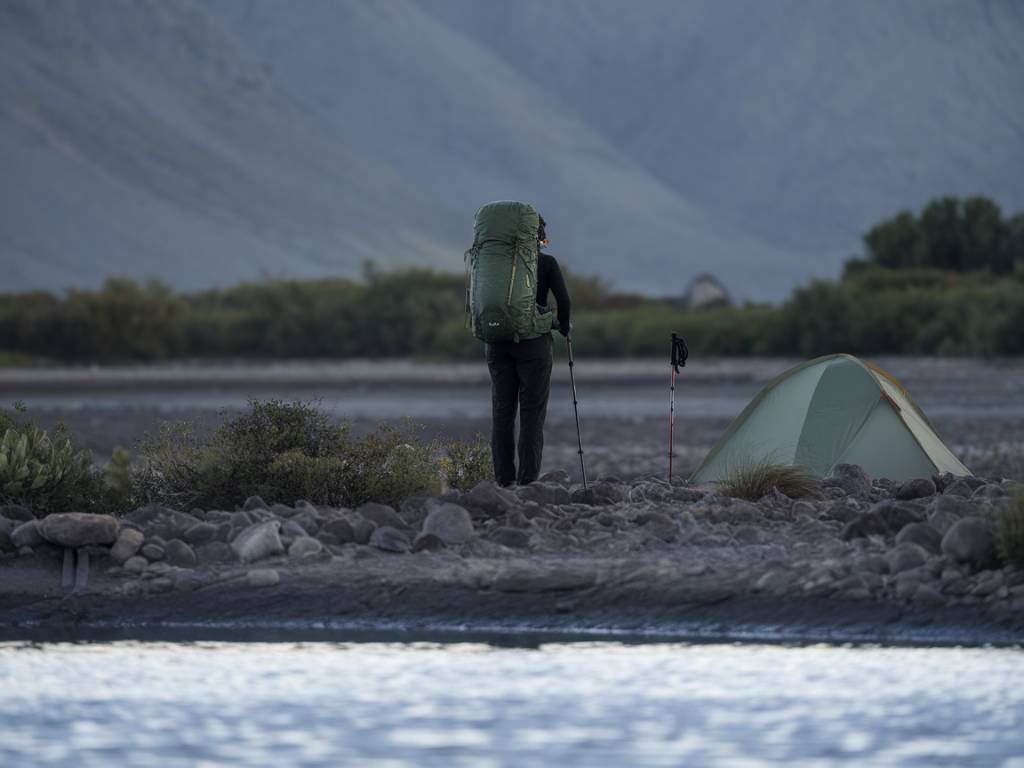

Micro-adventures: eco-friendly escapes less than 3 hours from home
Micro-adventures are changing the way many of us travel. Instead of boarding a plane and crossing continents, more travellers are looking for short, eco-friendly trips that start just outside their front door. These bite-sized adventures, often less than three hours from home, allow you to disconnect, explore local nature, and dramatically reduce your environmental footprint.
By choosing sustainable transport, low-impact activities and local services, you can turn a simple weekend into a meaningful eco-responsible experience. Below, you’ll find concrete micro-adventure itineraries, practical tips, and ideas to help you design eco-conscious escapes, wherever you live.
Why choose an eco-responsible micro-adventure close to home?
Opting for a micro-adventure less than 3 hours from home brings several advantages, both for you and for the planet. It’s a practical, budget-friendly and climate-friendly way to travel.
Among the main benefits:
- Lower carbon footprint: fewer kilometres travelled, more use of trains, buses or bikes, and less need for high-emission flights.
- More time in nature, less in transit: instead of losing a day in airports, you can finish work on Friday and be by a lake, in the countryside or in the forest before sunset.
- Support for local economies: staying close to home means spending money with local guides, farmers, independent accommodation owners and small outdoor shops.
- Accessible adventure: no need for a big budget, complex logistics or long holidays; a simple backpack and a train ticket can be enough.
Beyond the environmental impact, micro-adventures help (re)discover the landscapes that surround you daily, often overlooked in favour of faraway destinations.
Designing a sustainable micro-adventure itinerary within 3 hours of home
Before diving into specific ideas, it helps to have a simple method to design your own eco-responsible route. A good micro-adventure is a balance between accessibility, immersion in nature and respect for the environment.
Here are some key criteria:
- Time to access: choose destinations reachable in under 3 hours by train, bus, carpooling or bike.
- Low-impact activities: hiking, cycling, kayaking, canoeing, stand-up paddle, trail running, wild swimming (where authorised), or nature observation.
- Eco-friendly accommodation: campgrounds with environmental policies, eco-lodges, farm stays, cabins, or even bivouacs where legal and practised responsibly.
- Seasonality: travel off-peak when possible, to avoid overcrowding and reduce pressure on fragile ecosystems.
- Local sourcing: favour local, seasonal food, refillable water bottles, and minimal packaging.
With these principles, you can adapt the following sample itineraries to your own region, whether you live near the coast, in the countryside, in the mountains or close to a major city.
Eco-responsible micro-adventure by train: hiking from station to station
Train travel is one of the most sustainable ways to cover medium distances, particularly in Europe and in regions with good rail networks. A classic eco-responsible micro-adventure consists of hiking from one station to another, following marked trails.
How it works:
- Choose two stations less than three hours from your home station, ideally on the same line.
- Identify hiking trails that connect them: long-distance paths, regional loops or local itineraries.
- Plan a one or two-day route, with the option of a night in an eco-lodge, bed & breakfast, refuge or campground.
This format allows you to avoid using a car, and to experience a complete immersion in nature. You walk with what you need on your back, without having to return to a starting point to pick up a vehicle.
Eco-responsible tips for a hiking micro-adventure:
- Use a reusable water bottle and filter or purification tablets when appropriate.
- Pack zero-waste snacks: bulk nuts, dried fruits, homemade sandwiches wrapped in beeswax wraps.
- Follow Leave No Trace principles: stay on marked trails, bring all your waste back, respect wildlife and other users.
- Choose lightweight gear to reduce effort and the temptation to rely on motorised support.
Micro-adventure by bike: eco-friendly bikepacking loops near your city
Bikepacking — long-distance cycling with minimal gear — is perfectly suited to micro-adventures close to home. Within three hours, you can access quiet country roads, greenways and cycle routes that feel surprisingly remote.
To organise an eco-responsible cycling itinerary:
- Start directly from home if possible to avoid transport, or take a regional train that accepts bikes.
- Trace a loop of 80 to 150 km over one or two days, depending on your level and terrain.
- Favour cycle paths, farm roads and low-traffic routes to minimise risks and maximise enjoyment.
- Book eco-friendly accommodation: campsites, yurts, farm stays, small guesthouses using local produce.
Cycling micro-adventures have several environmental and personal benefits. You move silently, you interact with the landscapes, and you reduce your dependence on fossil fuels. Every kilometre is part of the experience, not a simple transfer.
To make your bike trip even more sustainable:
- Maintain your bike properly to extend its lifespan and avoid unnecessary replacements.
- Opt for durable, repairable equipment rather than disposable accessories.
- Stop at small local shops and markets for your supplies instead of big-box supermarkets.
Water-based micro-adventures: eco-friendly kayaking and paddle routes
Rivers, canals and quiet lakes offer ideal terrain for soft, nature-based micro-adventures. Kayak and stand-up paddle routes, accessible within three hours, allow you to explore wetlands, gorges or estuaries at a different pace.
For a responsible water micro-adventure:
- Choose authorised, supervised stretches of water to avoid disturbing sensitive areas.
- Rent equipment from local outfitters that follow good environmental practices.
- Combine navigation with birdwatching or silent observation of banks and wetlands.
- Plan a campsite stay or eco-lodge near the water instead of large, energy-intensive resorts.
These itineraries require checking the weather, water level and currents, as well as knowing basic safety rules. But the reward is a complete change of scenery a short distance from home, without air travel or heavy infrastructure.
Back-to-basics: bivouac and stargazing weekends
For those who want to simplify their micro-adventure and reduce their impact, a minimalist bivouac weekend can be a powerful experience. The idea is to reach, by train, bus, bike or on foot, a quiet natural area where bivouacking is authorised or tolerated, and spend one night under the stars.
Key points for an eco-responsible bivouac:
- Check local regulations on wild camping and bivouacking, and respect them strictly.
- Use a small tent, tarp or bivy bag and a compact sleeping system.
- Cook with a lightweight stove rather than making a campfire, which is often prohibited and damaging.
- Leave the site cleaner than you found it, picking up any litter you see.
This type of micro-adventure encourages a more sober relationship with comfort and consumption. It also helps reconnect with simple, low-carbon pleasures: the sound of the wind in the trees, the night sky, the first light of dawn.
Choosing eco-responsible gear and services for your micro-adventure
Even on a small scale, the equipment and services you choose influence the overall impact of your micro-adventures. To stay consistent with an eco-responsible approach, consider the following:
- Prioritise what you already own before buying new; borrow or rent specialised items (kayaks, technical tents, GPS watches) when you only need them occasionally.
- When purchasing, favour durable, repairable gear made from recycled or low-impact materials where possible.
- Support local guides and small eco-certified accommodations rather than large anonymous chains.
- Look for labels and certifications (organic farming, eco-lodge, Green Key, etc.) when choosing where to sleep and eat.
For readers who also want to equip themselves, many specialised retailers now offer sections dedicated to sustainable outdoor gear, from hiking backpacks to reusable titanium cutlery.
How to find eco-friendly micro-adventure itineraries near you
To identify concrete routes less than three hours from your home, several tools and resources can help:
- Topographic maps and hiking apps showing marked trails and elevation profiles.
- Rail and bus timetables to locate stations or stops close to natural areas.
- Regional tourism websites, which often promote greenways, river routes and nature reserves.
- Outdoor communities and forums where locals share their favourite eco-friendly loops.
Combine these sources to design customised itineraries: an afternoon bike ride with a picnic, a train-to-trail weekend, or a two-day river descent with a night at a campground.
Adopting an eco-responsible traveller mindset every weekend
Beyond the routes themselves, eco-responsible micro-adventures close to home invite a change in mindset. Travelling less far, but more often. Looking at a familiar region with fresh eyes. Valuing slowness and sobriety instead of accumulation and distance.
By choosing itineraries accessible in under three hours, favouring low-carbon transport, and supporting local initiatives, each weekend can become a small, meaningful expedition. A way to recharge, learn and discover, while actively participating in the preservation of the territories we love to explore.