


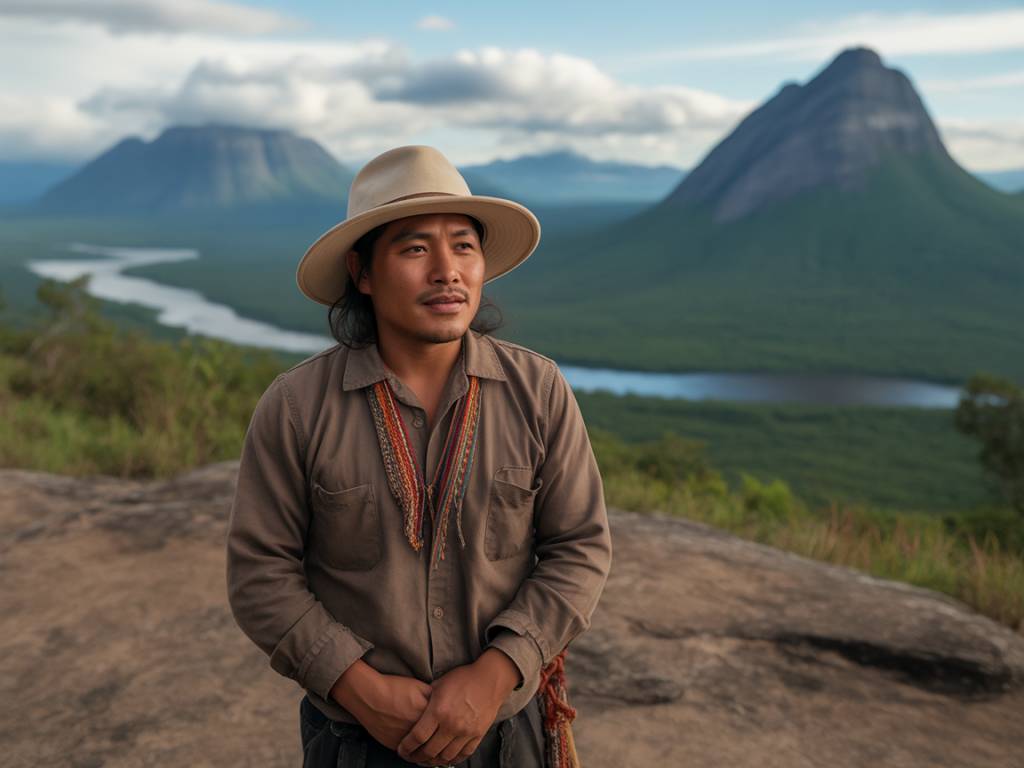
Why Responsible Support for Indigenous Communities Matters When You Travel
Travelers today are increasingly seeking authentic cultural experiences. Many itineraries now highlight Indigenous communities, traditional crafts, ceremonies, and local guides. This shift has enormous potential: tourism can create meaningful income, help preserve languages, and strengthen cultural pride. But it can also cause harm when handled without care.
Supporting Indigenous communities responsibly when you travel is not just a trend. It is a way of aligning your trips with your values, respecting Indigenous rights, and ensuring that your presence brings more benefits than damage. Understanding how to do this thoughtfully requires preparation, humility, and a willingness to listen.
Research Indigenous Communities Before You Travel
Responsible Indigenous tourism starts long before you step off the plane. Understanding the context of the Indigenous communities you hope to visit helps you make better decisions on the ground.
Begin by learning whose land you are visiting, their history, and their current realities. In many destinations, Indigenous peoples have faced (and still face) discrimination, land loss, and cultural suppression. Awareness of this background will shape your behavior and expectations.
Look for:
- Local Indigenous nations or groups: Identify the names, territories, and official organizations representing them.
- Community-owned tourism initiatives: Search for Indigenous-run lodges, tour companies, cultural centers, and craft cooperatives.
- Codes of conduct: Many regions with strong Indigenous tourism have published visitor guidelines. Reading these in advance helps you travel respectfully.
This pre-trip research not only deepens your experience. It also helps you avoid tours and attractions that exploit Indigenous communities or misrepresent their culture.
Choose Indigenous-Owned Tours, Guides, and Stays
One of the most powerful ways to support Indigenous communities responsibly is to direct your spending to Indigenous-owned businesses. This ensures that a larger share of the economic benefit stays within the community and that decisions about tourism are made by those who live with its consequences.
When selecting tours or guides, prioritize:
- Indigenous ownership or co-management: Check if the business is owned, led, or co-designed by community members.
- Transparent storytelling: Responsible Indigenous guides present their culture from their own perspective, including both traditions and contemporary realities.
- Fair wages and working conditions: Look for information on how staff are treated, and favor companies that publish ethical standards.
Similarly, consider staying in community lodges, homestays, or guesthouses where possible. These accommodations often offer immersive cultural experiences while generating direct income for local families. By choosing Indigenous-run options, you help build long-term economic independence and support self-determined development.
Respect Cultural Protocols and Sacred Spaces
Cultural respect is at the heart of responsible Indigenous tourism. Each community has its own protocols: what can be photographed, who may access certain areas, how ceremonies are conducted, and which stories can be shared with outsiders. What feels like a simple curiosity to you may touch on sacred beliefs for your hosts.
To show respect:
- Ask before taking photos or videos: Never assume consent, especially around ceremonies, children, or sacred objects.
- Follow dress codes: If you are asked to cover shoulders, remove shoes, or wear specific clothing, do so without debate.
- Observe in silence when requested: Some rituals and performances require quiet attentiveness, not constant questions or commentary.
- Avoid sacred sites without permission: Even if they are marked on maps or apps, access often depends on the approval of community authorities.
Remember that not all traditions are meant to be shared with visitors. When a guide says “this is not for tourists” or declines to answer a question, see it as an act of dignity and self-protection, not as a refusal of hospitality.
Be Critical of Cultural Performances and Experiences
Many travelers love attending Indigenous dance shows, craft demonstrations, or spiritual ceremonies. These can be meaningful ways to learn and support local artists. They can also slip into stereotypes or be staged only to satisfy tourist expectations.
To support Indigenous communities responsibly, evaluate cultural experiences carefully:
- Who designed the experience? Look for events created by the community itself, not invented by outside tour operators.
- Is consent visible? Performers, artisans, and elders should appear comfortable and willing, not pressured.
- Is culture simplified or distorted? Beware of shows that present caricatures, exoticize people, or erase complex histories.
- Does the money reach the community? Ask directly how income is shared; transparency is a positive sign.
Authentic cultural experiences do not always look polished. Sometimes they are small, intimate, and imperfect, shaped by real life rather than by stage lights. These encounters usually carry more depth than big, glossy shows aimed at mass tourism.
Support Indigenous Artisans and Fair Trade Crafts
Buying local crafts can be a powerful way to support Indigenous livelihoods and cultural continuity—if done thoughtfully. Handwoven textiles, carvings, jewelry, and ceramics often carry centuries of knowledge embedded in their designs. They are far more than souvenirs.
When shopping, keep these principles in mind:
- Buy directly from artisans when possible: Markets, community workshops, and cooperatives often ensure fairer prices than generic souvenir shops.
- Ask about materials and origin: Understanding who made the object and how it was produced helps you avoid mass-produced imitations.
- Pay fair prices: Bargaining aggressively over handmade items can devalue time, skill, and cultural knowledge.
- Look for fair trade certifications: In some regions, labels exist to guarantee ethical sourcing and community benefit.
Ethical travel and responsible Indigenous tourism are not necessarily “budget” choices. Paying more for authentic work recognizes the artistry involved and contributes to sustainable income for families and future generations.
Learn Basic Phrases and Local Etiquette
Even a few words in an Indigenous language can transform your interactions. Saying hello, thank you, or asking permission in the local language shows respect and curiosity. It signals that you see your hosts as individuals, not as part of a tourist attraction.
Before you arrive, try to learn:
- Greetings and thanks: Simple phrases used daily in community life.
- How to ask permission: Useful when taking photos, entering homes, or touching objects.
- Polite forms of address: In some cultures, titles or kinship terms are important markers of respect.
Equally important is understanding local etiquette: whether to remove shoes, how to sit, whether to accept food or drink, and how to address elders. Your guide or host can usually explain these customs if you ask with genuine interest.
Be Mindful of Environmental Impact on Indigenous Lands
Many Indigenous communities live in fragile ecosystems: rainforests, high-altitude plateaus, deserts, coastal zones. These landscapes hold deep spiritual and cultural importance and provide food, medicine, and identity. Tourism can increase pressure on resources and damage sacred sites if not managed carefully.
To minimize your footprint while supporting Indigenous communities:
- Stay on marked trails: Avoid trampling plants, disturbing wildlife, or entering restricted areas.
- Pack out all waste: Small communities may not have adequate waste management systems for plastic and other trash.
- Use eco-friendly products: Biodegradable soap, reef-safe sunscreen, and reusable bottles reduce contamination.
- Respect local rules around hunting, fishing, and gathering: These practices may be regulated to protect both ecology and tradition.
Responsible support means recognizing that environmental health and cultural survival are intertwined. When you protect the land, you also help protect the community’s future.
Center Indigenous Voices in Your Storytelling
Many travelers document their trips through photos, blogs, and social media. These narratives shape how others perceive Indigenous communities and influence future tourism patterns. Sharing responsibly is another way to support Indigenous self-representation.
As you tell your travel stories, consider:
- Consent and privacy: Ask if people are comfortable being photographed or mentioned by name, especially children.
- Avoiding stereotypes: Present Indigenous people as contemporary, multifaceted individuals, not as relics of the past.
- Highlighting Indigenous-led initiatives: Mention community businesses, guides, and projects so that others can support them.
- Giving credit for knowledge shared: Acknowledge the guides, elders, and artisans who taught you.
Try to move beyond the language of “untouched tribes” and “exotic villages.” Instead, emphasize resilience, creativity, and agency. Responsible travel writing and posting can amplify Indigenous voices rather than speaking over them.
Continue Supporting Indigenous Communities After You Return
Your responsibility to support Indigenous communities does not end when your trip does. In many cases, you can have an even greater impact from home by advocating, donating, and buying consciously.
After your journey, you might:
- Stay connected to community projects: Follow Indigenous organizations on social media, subscribe to newsletters, and share their updates.
- Purchase from Indigenous-owned brands: Look for clothing, art, food products, and books created by Indigenous entrepreneurs.
- Support legal and land rights campaigns: Donations to reputable organizations can help protect territories and cultural survival.
- Educate others: Recommend ethical tour operators and community-based tourism options to friends and readers.
Responsible Indigenous tourism is part of a longer journey toward justice and respect. The choices you make before, during, and after your trip all contribute to a broader movement that values Indigenous self-determination and cultural integrity.
Ultimately, supporting Indigenous communities responsibly when you travel means slowing down, listening carefully, and recognizing that you are a guest on someone else’s land. With thoughtful research, ethical spending, and deep respect, your travels can become a form of solidarity—one that enriches both your experience and the communities who welcome you.