


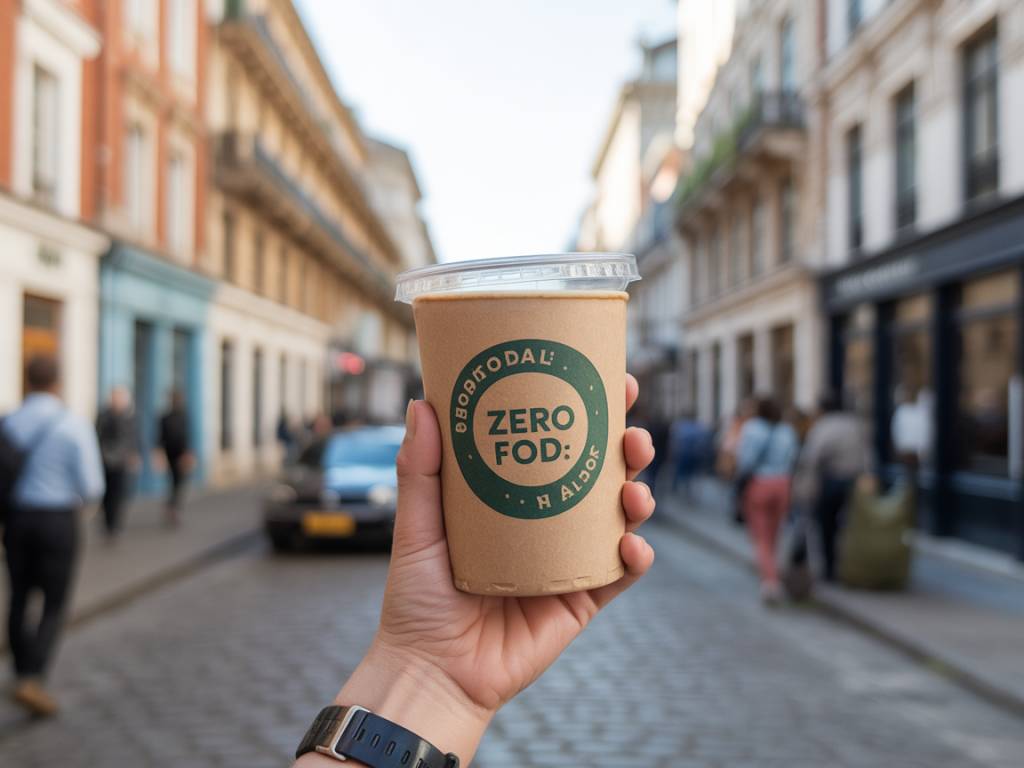
Planning a zero-waste food tour is one of the most effective ways to explore a destination through its local cuisine while reducing environmental impact. It combines travel, culture, and sustainability in a practical format that appeals to modern travelers who want more than a standard restaurant itinerary. A well-designed zero-waste food tour focuses on seasonal ingredients, local producers, minimal packaging, and thoughtful consumption. It also encourages visitors to engage with markets, street food vendors, independent cafés, farm-to-table restaurants, and community-based food experiences that support the local economy.
As interest in sustainable travel continues to grow, zero-waste dining has become a relevant keyword in the broader conversation about responsible tourism. Travelers increasingly search for terms such as sustainable food tours, eco-friendly restaurants, local food experiences, plastic-free travel, and ethical eating abroad. For destinations hoping to attract conscious visitors, these concepts matter. For travelers, they create a more meaningful and often more memorable way to discover a place.
What a Zero-Waste Food Tour Means
A zero-waste food tour is not about perfection. It is about reducing avoidable waste at every stage of the journey. That can mean bringing reusable containers, choosing eateries that avoid single-use plastics, selecting local dishes made from seasonal produce, and supporting businesses with clear sustainability practices. It may also involve buying only what you will eat, refusing unnecessary packaging, and favoring refillable water options over bottled drinks.
The idea works well in cities, small towns, rural destinations, and culinary regions. In each place, the tour can be adapted to local realities. A zero-waste food tour in Tokyo might include markets, noodle shops, and tea houses with reusable service options. In Lisbon, it could focus on bakeries using paper alternatives, seafood restaurants sourcing locally, and neighborhood markets selling fresh produce without excess packaging. In Oaxaca, the experience may center on traditional dishes prepared with ingredients sourced from nearby farms and sold in reusable or compostable formats.
Start with Destination Research
Before you travel, research the destination’s food culture and sustainability landscape. This is the foundation of a successful zero-waste food tour. Look for neighborhoods known for local dining, public markets, farm-to-table restaurants, and food cooperatives. Search for phrases such as sustainable restaurants near me, eco-friendly food markets, local organic food, and plastic-free dining options in the destination you are visiting.
It helps to identify the region’s seasonal ingredients as well. A food tour that aligns with seasonal produce typically has a smaller footprint and a stronger connection to local agriculture. In many places, seasonal menus are more affordable and more flavorful, which makes them attractive for both travelers and budget-conscious diners.
It is also useful to check whether the destination has any food waste initiatives, community gardens, refill stations, or sustainability certifications. Some cities publish lists of businesses with green practices. Others have local guides or tourism boards that highlight environmentally responsible eateries. These resources can save time and improve the quality of the experience.
Choose the Right Foods and Stops
A zero-waste food tour should prioritize places that make it easy to eat responsibly. Farmers’ markets are often an ideal first stop. They usually offer fresh produce, local cheeses, breads, preserves, and ready-to-eat foods with minimal packaging. Many vendors are happy to fill a reusable container or serve food on compostable materials.
Independent cafés and bakeries can also be strong additions to the itinerary. Look for businesses that encourage reusable cups, serve tap water, and source ingredients from nearby producers. Small eateries often have more flexibility than large chains, and they may be more willing to accommodate low-waste practices if asked politely.
Restaurants with tasting menus or chef-led seasonal menus can be especially suitable for sustainable food travel. These establishments often plan carefully, use whole ingredients efficiently, and reduce waste in the kitchen. Local street food can be included too, as long as you can identify vendors who use reusable or compostable service items and prepare food in safe, hygienic conditions.
Pack Smart for Low-Waste Dining
Your packing choices matter. A well-prepared traveler can significantly reduce waste simply by carrying the right items. A reusable water bottle is essential. So is a compact set of travel utensils, a cloth napkin, and a foldable tote bag for market purchases. If you expect to take leftovers or snacks on the road, consider bringing a lightweight food container.
These items are practical, inexpensive, and easy to carry. They also signal to restaurants and vendors that you are serious about sustainable travel. In many destinations, staff will appreciate the effort and may be more willing to support your zero-waste approach.
- Reusable water bottle
- Travel cutlery set
- Cloth napkin
- Foldable shopping bag
- Lightweight food container
- Small thermos for hot drinks
- Reusable coffee cup
Use Local Markets as the Core of the Tour
Local markets are the heart of many zero-waste food tours. They offer a direct connection to producers and a vivid sense of place. Markets also make it easier to buy only what you need, reducing the likelihood of food waste. You can taste regional specialties, observe local habits, and ask questions about ingredients and preparation methods.
When visiting a market, arrive with a loose plan rather than a rigid schedule. This allows you to respond to what is available that day, which is a more sustainable approach. If you buy fruit, bread, cheese, or prepared foods, aim to consume them soon after purchase. Freshness is a key advantage here. So is spontaneity.
Some markets also offer prepared meals from small vendors who use local ingredients and low-waste serving methods. These can be excellent lunch stops. If you are traveling in a group, sharing dishes is another way to reduce waste while sampling more of the local cuisine.
Ask the Right Questions at Restaurants
Travelers often hesitate to ask questions, but polite inquiries can make a meaningful difference. You do not need to interrogate staff. Simple questions are enough. Ask whether tap water is available, whether ingredients are locally sourced, whether takeaway containers can be avoided, or whether dishes can be portioned to reduce leftovers.
Questions like these help you identify restaurants that align with zero-waste principles. They also encourage more businesses to think about sustainability as part of the dining experience. Over time, this can contribute to broader change in the local food scene.
When reading menus, look for signals of environmental awareness. Seasonal offerings, vegetarian and plant-forward dishes, nose-to-tail or root-to-stem cooking, and locally sourced seafood all indicate a more resource-conscious kitchen. These are strong SEO terms as well, since they reflect what travelers increasingly search for when planning sustainable culinary trips.
Support Sustainable Food Experiences
Beyond restaurants and markets, there are many ways to build a richer zero-waste food tour. Cooking classes are a strong option, especially when they use ingredients purchased from local markets and teach practical ways to avoid food waste. Farm visits can also be valuable. They help travelers understand where ingredients come from and how local agriculture functions.
Food cooperatives, community kitchens, and social enterprises are worth including too. These businesses often combine ethical sourcing with social impact, making them an excellent fit for responsible tourism. If the destination has food recovery projects, community fridges, or surplus food initiatives, these can offer insight into local approaches to waste reduction.
For travelers interested in buying products, zero-waste food tours can also lead to practical souvenir choices. Refillable oils, local spices, tea, coffee, jams, and dry goods often travel well and create fewer packaging problems than typical souvenirs. They also keep the memory of the destination alive long after the trip ends.
Minimize Waste While Traveling Between Stops
Transportation matters. If you are planning a food tour across a city, walking, cycling, or using public transit will usually create a smaller footprint than private car travel. This also gives you more time to absorb the neighborhood atmosphere and notice hidden food spots. In compact destinations, a walkable itinerary is often the best way to experience the local culinary landscape.
Plan routes carefully to avoid unnecessary backtracking. Group food stops by area. If possible, reserve tables and check opening hours in advance so you do not waste time or food. When you travel with snacks, choose items that do not require heavy packaging and will not spoil quickly. Dried fruit, nuts, local bread, and refillable drinks are sensible options.
Respect Local Customs and Food Culture
A sustainable food tour is also a respectful one. Every destination has unique customs around dining, sharing, ordering, and leaving food on the plate. Learning these habits is part of responsible travel. In some places, taking leftovers home is common. In others, it may be unusual. In certain cultures, ordering more food than you can finish may be considered generous, while elsewhere it may seem wasteful.
Being aware of these differences helps you make better choices and enjoy more authentic experiences. It also prevents misunderstandings. Travelers who show interest in local food traditions often receive better recommendations and more genuine hospitality.
If you are unsure how to act, observe what locals do. Then adapt. This simple approach often improves both the quality of the trip and the sustainability of the experience.
Turn the Food Tour into a Sustainable Travel Habit
The best zero-waste food tours are not isolated events. They become part of a broader travel style. Once you begin planning meals around local, seasonal, and low-waste choices, the habit becomes easier to maintain across destinations. You start to notice which businesses make sustainability visible and which ones rely on convenience at the expense of the environment.
Over time, this awareness shapes better travel decisions. You may choose destinations with strong local food systems. You may book accommodations with kitchen access so you can prepare some meals yourself. You may prefer markets and family-run businesses over high-turnover chains. These choices are small individually, but together they create a more responsible and rewarding way to travel.
A zero-waste food tour offers a practical balance between discovery and discipline. It allows travelers to enjoy memorable meals, support local communities, and reduce unnecessary waste without sacrificing comfort or flavor. With careful planning, the right tools, and a thoughtful approach to dining, sustainable eating becomes not just possible, but deeply enjoyable.