
Planning a low-carbon city break in Europe is no longer a niche choice reserved for hardcore environmentalists. With better rail connections, greener hotels, and a growing culture of urban cycling, it is now entirely possible to enjoy a stylish weekend away while keeping your carbon footprint in check. From choosing how you travel to Europe to where you sleep, eat, and explore, every decision you make can help shape a more sustainable weekend itinerary.
Why Choose a Low-Carbon City Break in Europe?
European cities are compact, walkable, and increasingly designed with sustainability in mind. That makes them perfect for low-carbon weekend trips. Instead of relying on rental cars or domestic flights, you can cross borders by train, navigate cities by tram, and discover neighborhoods on foot or by bike. The result is a slower, more immersive kind of city break.
Choosing a low-carbon city break isn’t only about emissions. It often means supporting local businesses, reducing waste, and experiencing a city in a more authentic way. You will likely eat seasonal food, stay in smaller locally owned hotels or eco-certified accommodations, and visit attractions that care about their social and environmental impact.
How to Travel to Europe with a Lower Carbon Footprint
The largest share of emissions from a typical weekend away usually comes from transport. The way you reach your destination is therefore the most important decision.
- Prioritize trains over planes: High-speed rail networks connect major European hubs such as Paris, London, Brussels, Amsterdam, Berlin, and Zurich. When you compare emissions per passenger, trains are often several times less carbon-intensive than short-haul flights.
- Consider night trains: Overnight trains like the ÖBB Nightjet or European sleeper services let you travel while you sleep, cutting the need for an extra hotel night and avoiding early-morning airport stress. They are perfect for sustainable weekend itineraries, as you arrive rested and ready to explore.
- Choose direct routes where possible: Connections, layovers, and detours can add to your footprint. A direct train is usually more efficient than a multi-leg journey.
- If you must fly, make it count: Sometimes a flight is unavoidable. In this case, choose direct flights, pack light, avoid business class, and extend your stay so that your emissions are spread across more days of travel.
Booking platforms increasingly display CO2 estimates for each route. Use these tools as a guide, and compare the carbon impact of train, coach, and flight options before you finalize your low-carbon city break.
Choosing Eco-Friendly Accommodation for a Sustainable City Break
Where you sleep during your weekend escape can significantly influence your overall environmental impact. Eco-friendly hotels and guesthouses are now common in European cities, and many have formal certifications.
- Look for sustainability labels: Certifications such as the EU Ecolabel, Green Key, or EarthCheck indicate that a property has been audited for energy efficiency, water use, waste management, and social responsibility.
- Pick central or well-connected neighborhoods: A hotel near a main station or tram line allows you to move around the city by public transport or on foot. This can remove the need for taxis altogether.
- Consider smaller, locally owned stays: Boutique guesthouses, locally run B&Bs, and cooperative hostels often keep money in the community while using fewer resources than large, energy-intensive resorts.
- Check green policies in practice: Refillable toiletry dispensers, glass bottles instead of plastic, LEDs, keycard-controlled electricity, and visible recycling points are reliable signs that a hotel takes sustainable travel seriously.
As a guest on a low-carbon city break, you also play a role. Decline daily linen changes, turn off heating or air conditioning when you leave, and refill a reusable water bottle rather than buying single-use plastic.
Getting Around the City: Public Transport, Biking, and Walking
Once you arrive, the beauty of a sustainable city break in Europe lies in how easily you can explore without a car. Many cities have invested heavily in public transport and cycling infrastructure, making low-carbon movement both simple and enjoyable.
- Public transport passes: City cards and day passes often combine unlimited public transport with discounted entry to museums. This encourages you to choose trams, buses, and metros instead of ride-hailing apps.
- Bike-sharing schemes: Cities like Copenhagen, Amsterdam, Paris, and Vienna offer extensive bike-sharing networks. Many have dedicated bike lanes that make cycling safer and more convenient than driving.
- Walking-friendly itineraries: Historic centers in European cities are typically compact. You can create a weekend itinerary that links major sites via pedestrian streets, riverside paths, and parks, rather than rushing from landmark to landmark by taxi.
- E-scooters and micro-mobility: In some destinations, shared e-scooters provide an additional low-carbon option for covering short distances.
By keeping your movements slow and human-powered, you not only reduce emissions but also notice more: neighborhood cafés, small galleries, local markets. This is where a sustainable weekend itinerary becomes richer than a traditional whistle-stop tour.
Low-Carbon Activities for a Sustainable Weekend Itinerary
Designing a low-carbon city break means choosing activities that do not rely heavily on energy, long transfers, or mass tourism infrastructure. Fortunately, most of Europe’s cultural and urban experiences fit this brief.
- Museums and galleries: National museums, contemporary art spaces, and smaller independent galleries are usually accessible by public transport and can fill a rainy afternoon with minimal environmental impact.
- Walking tours: Opt for small-group or self-guided walking tours using offline maps or audio guides. Focus on architecture, street art, or social history for a more nuanced view of the city.
- Parks, canals, and urban nature: Green spaces such as city parks, riverside promenades, and urban forests offer low-impact ways to relax. Picnics with local produce can replace more resource-intensive restaurant meals.
- Markets and local shops: Food halls, farmers’ markets, and zero-waste stores let you sample regional products while supporting shorter supply chains.
Try to avoid activities that depend on heavy infrastructure or encourage overtourism in fragile neighborhoods. Instead, build flexibility into your sustainable weekend itinerary, leaving time to explore side streets, lesser-known districts, and community-run spaces.
Eating and Drinking Sustainably During Your City Break
Food is central to any city break, and it is also an area where your choices can significantly affect your carbon footprint. European cities are at the forefront of the plant-based and locavore movements, making it easier than ever to eat well and sustainably.
- Prioritize seasonal and local food: Look for restaurants that highlight regional produce, daily specials based on market availability, and shorter menus. These places often work with local farmers and reduce waste.
- Explore plant-forward cuisine: You do not have to give up meat entirely, but choosing vegetarian or vegan options for at least some meals can dramatically lower your food-related emissions.
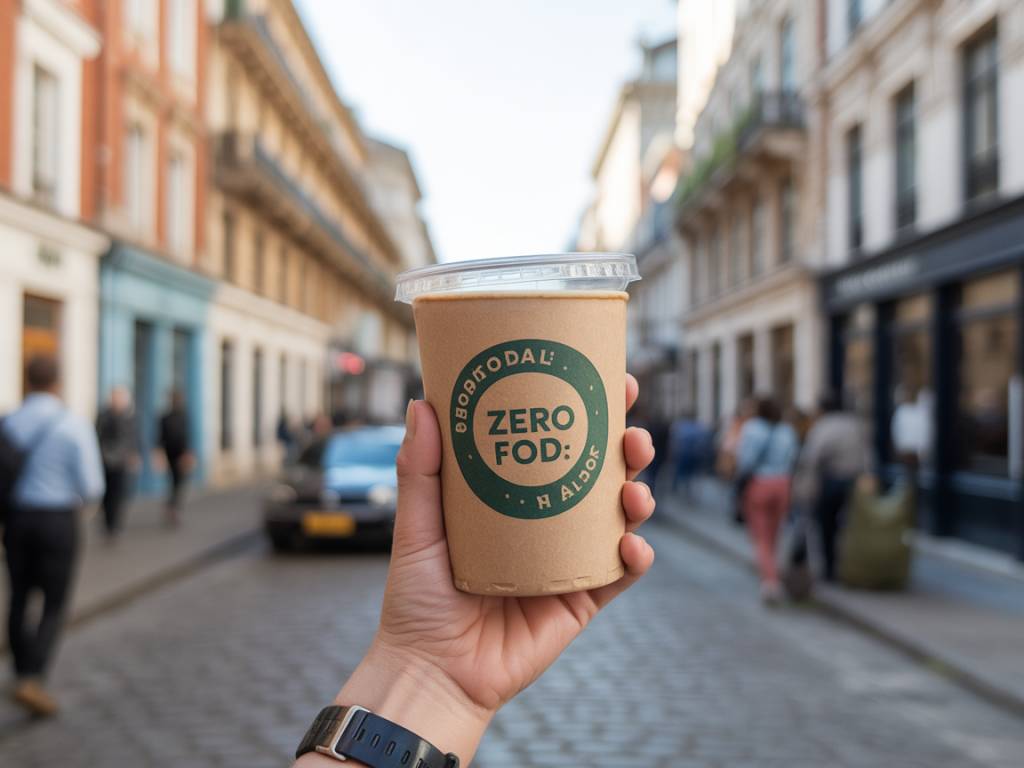
- Bring your own kit: A reusable coffee cup, water bottle, and cutlery set can help you avoid single-use plastics when grabbing snacks or drinks on the go.
- Support independent cafés and bakeries: Small, locally owned coffee shops and bakeries usually have a smaller footprint and a stronger connection to local suppliers than international chains.
Food-waste apps in many European cities allow you to collect surplus meals from restaurants or bakeries at a discount towards closing time. This is a budget-friendly and low-carbon way to eat during a sustainable city break.
Sample Low-Carbon Weekend Itineraries in Europe
To bring these principles together, here are a few examples of how a low-carbon city break could look in practice. They are not prescriptive but can serve as inspiration for your own sustainable weekend itineraries in Europe.
Paris by Train and on Foot
- Arrive at Gare du Nord or Gare de l’Est by high-speed train from London, Brussels, or Amsterdam.
- Stay in an eco-certified boutique hotel in the 10th or 11th arrondissement, within walking distance of the station.
- Spend your first afternoon strolling along Canal Saint-Martin, browsing independent bookstores and zero-waste shops.
- Dedicate your second day to a museum within metro distance, such as the Musée d’Orsay or Centre Pompidou, accessed via reusable metro card.
- Eat at bistros that highlight seasonal produce and try at least one plant-based restaurant, which Paris now offers in abundance.
Copenhagen by Bike
- Reach Copenhagen by train from Hamburg, Stockholm, or Malmö to keep your emissions low.
- Choose a hotel with strong sustainability credentials, such as places running on renewable energy or offering organic breakfasts.
- Rent a bike or use the city’s bike-sharing system to explore neighborhoods like Nørrebro and Vesterbro.
- Include time for the harbor baths and waterfront promenades, where you can see how the city has integrated blue and green spaces.
- Dine in eateries focused on New Nordic cuisine, with menus built around local, seasonal, and often organic ingredients.
Vienna’s Green Culture
- Arrive by night train from cities such as Zurich, Berlin, or Brussels for a comfortable, low-carbon journey.
- Stay in a guesthouse near the Gürtel or around the main station for easy tram and metro access.
- Spend your days between imperial museums, contemporary art spaces in the MuseumsQuartier, and the Prater’s vast urban park.
- Use Vienna’s integrated public transport network with a 48- or 72-hour pass to avoid taxis entirely.
- Seek out traditional coffee houses and modern, plant-forward restaurants to balance indulgence with sustainability.
Responsible Shopping and Souvenirs with a Lower Carbon Impact
Shopping can easily turn a low-carbon city break into an overconsumption trap. Thoughtful choices can help you enjoy local craftsmanship without unnecessary waste.
- Choose locally made products: Handcrafted ceramics, textiles, or art prints usually have a lower transport footprint and tell a more authentic story than mass-produced souvenirs.
- Avoid cheap throwaway items: Magnets, plastic trinkets, and fast-fashion clothing are often poorly made and short-lived.
- Consider consumable gifts: Regional food products, spices, teas, or natural cosmetics can be used up and do not sit on a shelf.
- Carry a reusable bag: This simple step avoids the need for plastic bags when you browse markets and shops.
By aligning your shopping habits with your eco-friendly travel values, you keep your low-carbon city break coherent from start to finish.
Practical Tips to Make Your City Break More Sustainable
Transforming a traditional weekend trip into a sustainable city break in Europe is less about perfection and more about a series of deliberate choices.
- Pack light to reduce transport emissions and make public transport easier to use.
- Bring a small toolkit: reusable bottle, tote bag, cutlery, and perhaps a compact coffee cup.
- Download offline maps and public transport apps to navigate without printed guides.
- Travel off-season when possible, easing pressure on local infrastructure and avoiding crowds.
- Respect local communities by staying quiet at night, using bins correctly, and learning a few words of the local language.
Each of these habits reinforces the core idea behind a low-carbon city break: traveling in a way that enriches your experience while treading more lightly on the places you visit.