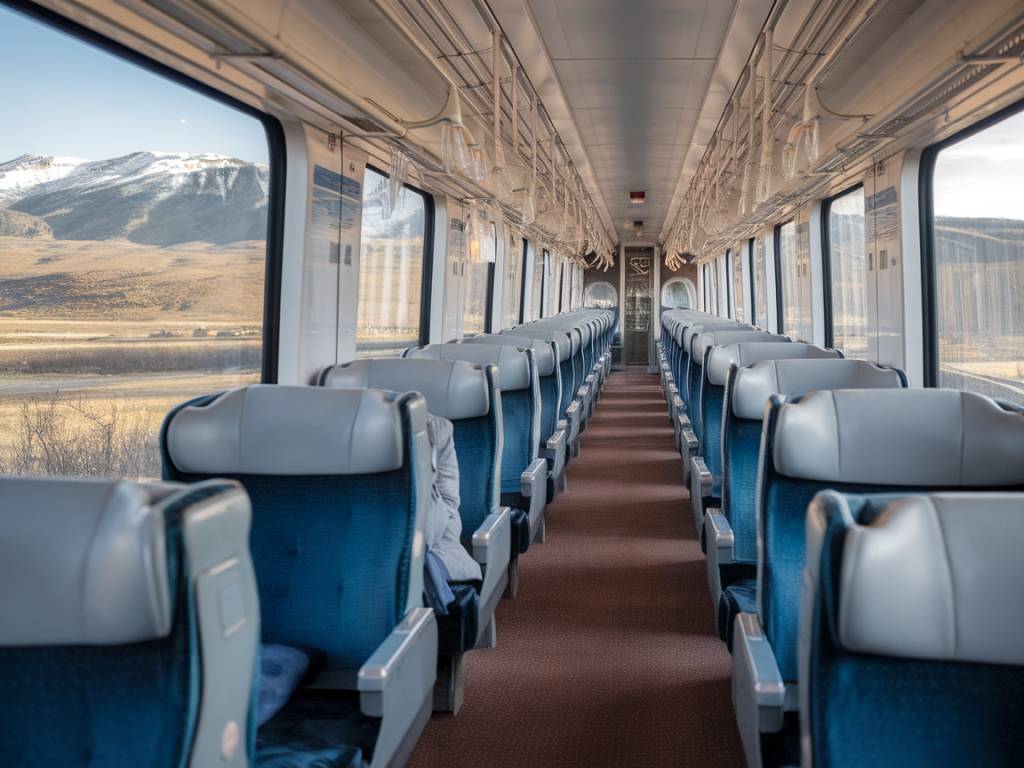
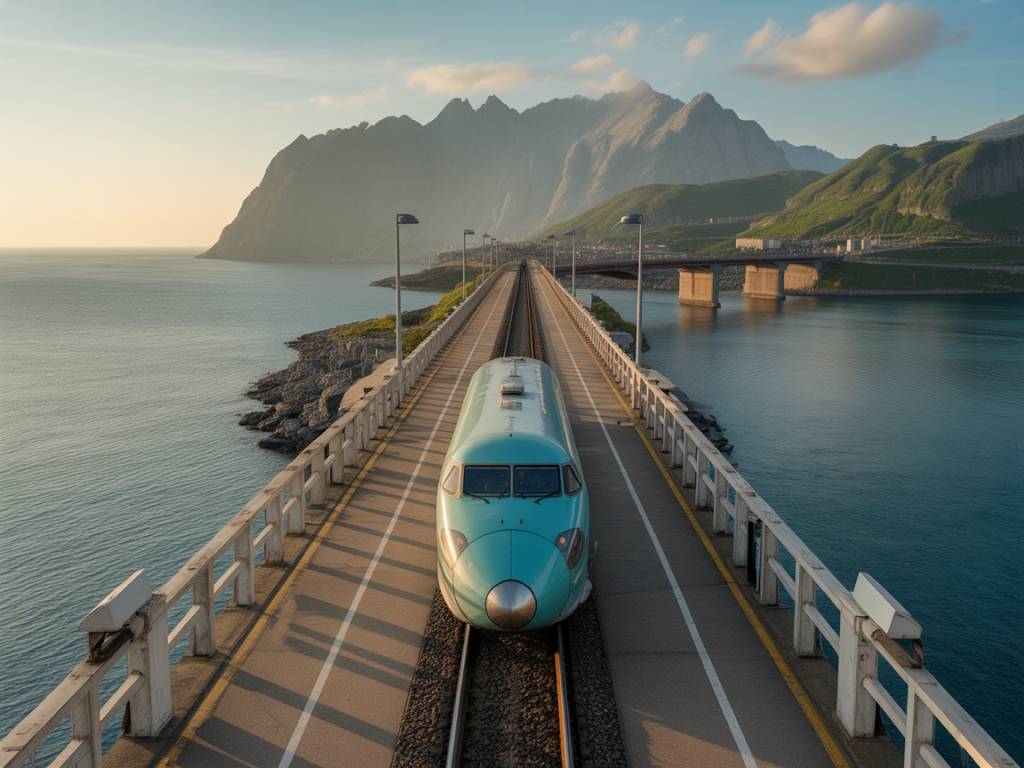
Choosing eco-friendly train travel in Europe instead of flying is one of the most effective ways to reduce your carbon footprint while still enjoying rich, diverse journeys. High-speed lines, night trains and scenic regional routes now connect most major European cities, making it easier than ever to replace short-haul flights with comfortable and sustainable rail itineraries.
Below you’ll find ten practical and inspiring eco-responsible train itineraries that can replace popular European flights. Each route is designed for travellers who want to lower their emissions, take their time, and discover more along the way.
Paris – Barcelona: High-speed eco-friendly city break
The Paris–Barcelona route is one of the best examples of how high-speed rail can replace a short-haul flight in Europe. Instead of a quick jump by plane, travellers can cross France by TGV and reach Catalonia in under 7 hours, with far lower emissions and far more scenery.
Typical route:
- Paris Gare de Lyon – Lyon Part-Dieu or Valence TGV (high-speed TGV)
- Connection towards Perpignan and the Spanish border
- Continuation to Barcelona Sants on high-speed lines
This eco-responsible itinerary allows you to:
- Enjoy comfortable seats, onboard Wi-Fi and a relaxed boarding process
- Admire landscapes from the plains of the Loire to the Pyrenees foothills
- Arrive directly in the city centre, avoiding airport transfers and extra emissions
For the best prices on sustainable train travel, book in advance and travel off-peak. Rail passes can be interesting if you plan several eco-friendly trips in the same region.
London – Amsterdam: Night trains and high-speed rails
Travelling from London to Amsterdam by train is now a fast and low-carbon alternative to flying. Direct high-speed services connect the two cities in just over 4 hours, passing through the Channel Tunnel and Belgium.
Key benefits of this eco-friendly itinerary:
- Central departure from London St Pancras International
- No luggage check-in stress, generous baggage allowance
- Arrive at Amsterdam Centraal, right by the historic canals
For travellers who prefer slower, multi-stop journeys, it is easy to break up the route:
- London – Brussels by high-speed train
- Brussels – Rotterdam – Amsterdam with regional or high-speed services
This allows you to combine sustainable city breaks in multiple destinations while still avoiding flights.
Berlin – Vienna: Overnight train for low-carbon travel
Night trains are making a strong comeback in Europe and are a cornerstone of eco-responsible travel. The Berlin–Vienna night train is an excellent example, offering an overnight alternative to flying between Germany and Austria.
Environmentally conscious travellers appreciate that this itinerary:
- Maximises time by travelling while you sleep
- Greatly reduces CO₂ emissions compared to a short-haul flight
- Provides a comfortable experience with couchettes and private sleepers
Leaving Berlin in the evening, you wake up in Vienna the next morning, ready to explore the Austrian capital. Booking early gives access to more affordable sleeper compartments and eco-friendly rail deals.
Brussels – Zurich: Scenic sustainable journey through the Alps
Instead of flying from Brussels to Zurich, consider travelling across Europe by train via Germany. The route is straightforward, scenic and significantly greener than taking a plane.
Typical eco-responsible itinerary:
- Brussels – Cologne (high-speed or InterCity)
- Cologne – Basel (comfortable long-distance train along the Rhine)
- Basel – Zurich (fast Swiss domestic service)
This train journey offers:
- Views of vineyards, the Rhine river and German countryside
- Easy station transfers with clear signage and frequent connections
- A chance to stretch your legs, work or relax during the ride
For eco-conscious travellers, this is a perfect example of how intercity and international rail can replace regional European flights without sacrificing comfort.
Madrid – Lisbon: Iberian slow travel by rail
Spain and Portugal are popular destinations for beach holidays and cultural city breaks. Many visitors still fly between Madrid and Lisbon, but the train offers an increasingly attractive eco-friendly alternative.
While the classic night train has been suspended in recent years, new rail projects and upgraded regional services make this route worth considering for sustainable travel. Depending on timetables, options may include:
- Madrid – Badajoz (regional or long-distance Spanish train)
- Badajoz – Entroncamento – Lisbon with Portuguese trains
It takes longer than flying, but offers a more authentic experience of the Iberian interior, with open landscapes, small towns and a calmer pace of travel. Future rail developments should further improve this eco-responsible link between the two capitals.
Vienna – Venice: Eco-responsible rail route to the lagoon
The Vienna–Venice train journey is one of Europe’s most beautiful itineraries, and a perfect replacement for a short-haul flight. Travelling by rail lets you cross the Alps, follow rivers and arrive directly near Venice’s historic centre.
Why this itinerary is ideal for sustainable travellers:
- Night and daytime trains available, with sleepers, couchettes or regular seats
- Stunning views of Austrian valleys, alpine passes and northern Italy
- No need to worry about airport transfers across the lagoon
Some trains continue beyond Venice to other Italian cities, which makes it easy to integrate this eco-friendly journey into a longer rail trip across the country.
Paris – Milan: High-speed eco-friendly connection between France and Italy
Instead of taking a flight from Paris to Milan, eco-responsible travellers can now rely on high-speed trains that link the two cities in about 7 hours. This route combines comfort, sustainability and a sense of adventure.
Features of the Paris–Milan train itinerary:
- Departure from Paris Gare de Lyon, arrival at Milan Porta Garibaldi or Centrale
- Passage through the Alps via the Fréjus or Mont Cenis corridor (depending on the service)
- Onboard catering, power sockets and spacious seating
This rail journey significantly lowers your carbon footprint compared to flying and allows you to admire alpine landscapes on the way to Italy. Booking early often yields very attractive fares on high-speed services.
Amsterdam – Copenhagen: Northern Europe by sustainable train
Travelling from Amsterdam to Copenhagen by train opens the door to a relaxed, low-carbon adventure across the Netherlands, Germany and Denmark. Instead of a quick flight, this itinerary turns the journey into part of the destination.
Common eco-friendly rail route:
- Amsterdam – Hamburg via Osnabrück or Hanover
- Hamburg – Copenhagen by direct train with a comfortable long-distance service
Benefits of this itinerary for eco-responsible travel:
- Comfortable trains with Wi-Fi and catering on many services
- Opportunity to stop in cities like Bremen, Hamburg or Lübeck
- Reduced emissions compared to flying multiple short segments
This route can easily be integrated into a wider northern Europe rail trip, including Sweden or Norway, using night trains beyond Copenhagen.
Munich – Ljubljana – Zagreb: Sustainable train journey through Central Europe
For travellers exploring Central and South-Eastern Europe, replacing regional flights with trains unlocks landscapes that are often missed from the air. The Munich–Ljubljana–Zagreb route is a particularly interesting eco-responsible itinerary.
Typical routing:
- Munich – Salzburg or Villach (Austrian trains through mountain scenery)
- Connection towards Ljubljana, the green capital of Slovenia
- Continuation to Zagreb, gateway to Croatia and the Balkans
Why this eco-friendly trip is worth considering:
- Impressive alpine and karst landscapes along the route
- Slower, more immersive travel than a quick flight
- Direct access to city centres without extra transfers
Using regional and international trains in this part of Europe is usually affordable, especially when booked at regional tariffs or with rail passes.
Stockholm – Oslo – Bergen: Nordic rail alternative to domestic flights
In Scandinavia, flying is still widely used for domestic and regional journeys, yet the train offers a far more eco-responsible alternative. The Stockholm–Oslo–Bergen route combines efficient intercity rail with one of Europe’s most spectacular mountain lines.
Suggested sustainable itinerary:
- Stockholm – Oslo: intercity or high-speed trains between the Swedish and Norwegian capitals
- Oslo – Bergen: famous Bergen Line crossing the Hardangervidda plateau
This rail journey delivers:
- Dramatic views of forests, lakes and mountain plateaus
- A comfortable alternative to several short flights
- Opportunities to stop in smaller towns and hiking areas along the way
Booking early helps secure the best fares on Scandinavian trains, and travelling outside peak holidays often ensures quieter carriages and a more peaceful experience.
Tips for planning eco-responsible train itineraries in Europe
Replacing flights with trains in Europe is easier when you plan ahead and use the right tools. A few practical strategies can help you keep your journeys both sustainable and enjoyable.
Key tips for eco-friendly rail travel:
- Use rail comparison platforms to find direct and connecting services across borders
- Book early for night trains and high-speed services, as eco-responsible seats and sleepers can sell out quickly
- Travel light to move easily between platforms and avoid unnecessary stress
- Consider rail passes if you plan several sustainable journeys within a month
- Choose direct trains where possible to reduce missed connections and extra energy use
Opting for daytime trains with scenic routes or night trains that maximise your time can make the switch from plane to rail feel like an upgrade rather than a compromise. Combining these eco-responsible itineraries allows you to cross Europe with a significantly reduced carbon footprint while discovering places you would never see from the air.